By: Jenni Shover, EVP – Director of Marketing at Gulf Coast Small Business Lending
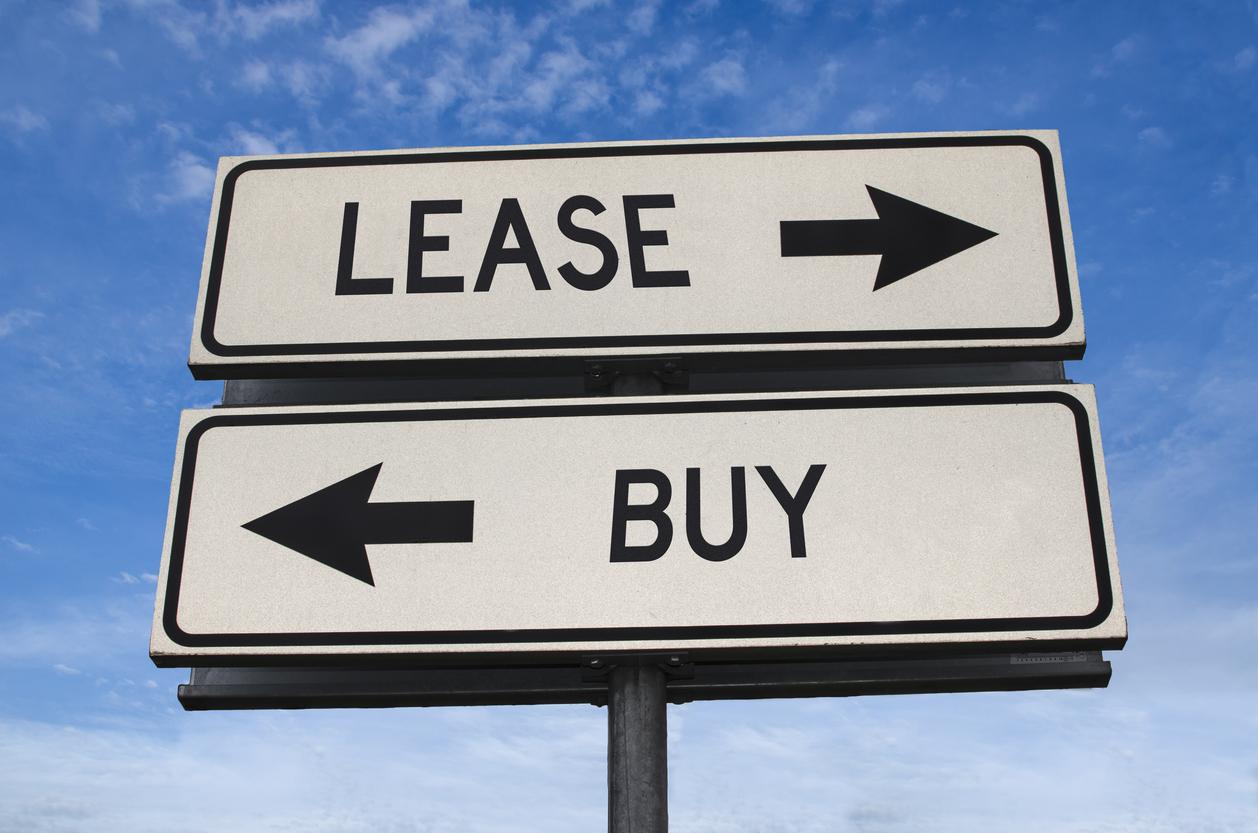
Are You Considering the Purchase of a Building for Your Business?
Why buying may make the most sense
For the small business owners, the decision to lease or purchase a building involves many considerations that must be evaluated to arrive at the best possible decision. Each small business has unique requirements and circumstances, so it is best to start the analysis by reaching out to trusted advisors and fully considering the trajectory and anticipated needs of your small business. As with any big decision, it will be important to balance long-term business strategy with personal financial objectives. In this article we will review a number of details that will be helpful to consider. By completing this analysis, you just may determine that buying a building makes the most sense for you and your business.
Benefits of owning your building
Appreciation:
A commercial or industrial building may be the largest asset a small business owner ever acquires. Over time the building will almost certainly appreciate in value and every dollar of appreciation benefits the building owner! Also consider that every dollar paid towards mortgage principal payments also translates into a dollar of equity! Leasing, on the other hand, results in the landlord benefiting from property appreciation, not the business owner.
Tax advantages:
Mortgage interest and depreciation on a building presently are fully deductible for both state and federal tax purposes. Moreover, costs associated with the loan, such as points or fees, may also be deductible. Of course, small business owners should consult their tax professionals to fully understand the tax implications before moving forward with a building purchase.
No rent increases:
Building owners have no landlords and therefore are not subject to escalating rents.
Permanence:
Building owners never have to worry about being able to renew leases upon expiration. In addition, property improvements belong to building owners and may improve the value of the property. Conversely, lessees may not even be permitted to make the improvements they desire and, if they are allowed, may lose those customizations upon moving out.
Affordability:
The most common reason cited by small business owners for NOT buying is lack of the required down payment. A surprising number of prospective buyers are not aware of the excellent terms (including a low downpayment) available with SBA 7a loans. In most instances, borrowers can purchase a building for only 10% cash downpayment. In addition, SBA lenders like Gulf Coast Small Business Lending can provide additional financing to improve the property and cover moving expenses and the like. An SBA loan may be an ideal option the enables small business owners to buy rather than lease.
The bottom line
For most small businesses, the first consideration in the lease vs. purchase decision is the immediate financial impact. Their primary concerns are typically what are the up-front cash requirements to purchase, and how will the choice affect my monthly cash flow?
Often, owners choose the low-cost alternative based on short-term assumptions. To make the best decision, small business owners should evaluate alternatives both in terms of their return on investment and considerations about the business’ future growth and needs.
Owning real estate provides the advantages of building equity and future income for retirement. For example, an entrepreneur may sell the company and retire but elect to retain ownership of the real estate and lease it back to the new owner!
SBA Financing
Once a small business owner decides to buy a building for their business, the next important decision is how best to finance it. If an SBA loan seems to be a good fit, please reach out to our team of experienced SBA loan professionals to discuss your unique business needs. You can find a listing of business development officers, along with their contact information here: https://gulfcoastsba.com/our-people/. Gulf Coast Small Business Lending is actively offering SBA loans nationwide. Any of our business development officers can assist you, regardless of where in the United States you are located, and will be happy to discuss all of the details of an SBA loan.
Typical Terms of an SBA Loan to Buy a Building
Note that sometimes this type of real estate is referred to as owner-user commercial real estate or owner-occupied commercial real estate because your small business will operate from the building you acquire. This is an important requirement to qualify for an SBA loan. SBA loans to flip or invest in commercial real estate, not occupied by the owner’s small business, is not eligible for SBA financing.
Purchasing commercial real estate for your business to occupy can improve your cash flow and help you build additional equity over time as you take advantage of appreciating property values. Gulf Coast Small Business Lending can help you realize those goals.
| Loan amount: | Up to $10,000,000 |
| Advance rate: | Up to 90% loan to value |
| Downpayment: | Typically a 10% cash downpayment is required |
| Loan repayment term: | Up to 25 years, fully amortizing No balloon payment or call dates |
SBA loans are available for the purchase, construction, or renovation of owner-occupied commercial real estate. The loan amount can include additional funds for working capital, property improvements, or other business needs. It is important to note that SBA loans are available for special or multi-use property types as well as general purpose commercial real estate. Please contact our team of business development professionals for complete details and to address any questions you may have. Gulf Coast Small Business Lending is a direct, nationwide SBA Preferred Lender.
Let’s talk about how we can help your business with an SBA loan.
About Jenni Shover
Jenni Shover has over 35 years of SBA lending experience. She began her SBA lending career in Miami as a business development officer for both a large regional bank and a nationwide non-bank lender. After relocating to Atlanta in 1999, Jenni made the move from sales to marketing in 2003. With broad-based small business lending experience encompassing sales, originations, underwriting, operations, marketing, management, and training, she now enjoys her work supporting the sales team at Gulf Coast Small Business Lending. When not dreaming up Gulf Coast’s next marketing campaign, you can find Jenni in her garden, at Pilates, or planning her next big travel adventure.